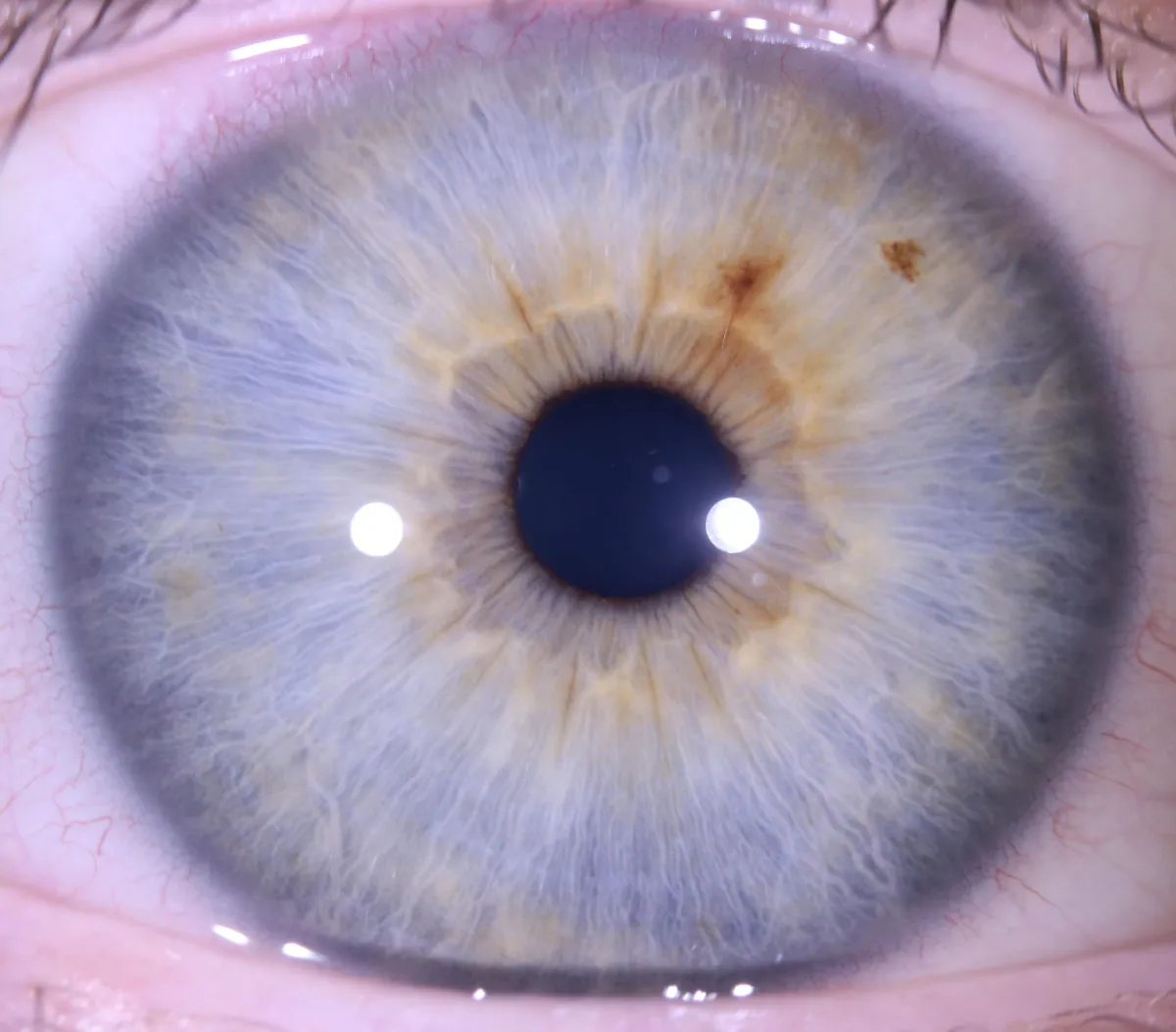
Transverals
The Hidden Power of Small Markings in the Iris
Often, it's the smallest marking that holds the most crucial piece of information.
Understanding Iris Fiber Structure and Assessment
When we assess specific fiber placement, we're correlating what the irides show us with symptoms and known familial risks. Fiber structure is inherent, just like your fingerprint. The only way to change the lay of the fibers is to sustain an injury to the iris.
What Are Transversals in the Iris?
After assessing the structural subtype, we need to note where there are fibers that cross over other fibers. These are called transversals. Transversals can be found in every structural subtype.
If you're not familiar with structural subtypes, click this link for an intro video. You will see eyes that have no transversals and eyes that have many transversals.
The Significance of Fewer Transversals
As with pigments, the general rule is the fewer transversals there are, the more important each one is.
What Do Iris Transversals Indicate?
Transversals suggest an increased risk of inflammation, pain, blockages, poor wound healing, and scar tissue formation. They are not guarantees of those symptoms, so you'd never say ‘You have scar tissue in organ xyz’.
[Watch the short youtube video showing examples of transversals.]
Knowing the client's history and correlating it with their concerns and transversals will give you additional insight into your client’s tissue integrity. This information can guide practical steps: dietary changes, lifestyle adjustments, or targeted supplements that would be of benefit.
When Iris Transversals Matter Most
So, when does your understanding of transversals become really important?
If you've got a client who has a tissue or collagen regeneration issue like Ehlers-Danlos syndrome
If you have a client who forms keloid tissue
Or if you have a client who does not heal well after injury or surgery or heals slowly in general
Customized Support for Surgery and Healing Challenges
I have a standard set of recommendations for clients who are undergoing a scheduled surgery for which they have time to prepare. But if they have transversals, I custom-build individualized programs because I know there are increased potential risks to their healing well.
Why Health History and Iris Analysis Work Together
That's why we always start with a thorough health history and a clear understanding of what the client wants help with. The history provides context; the iris analysis combined with lifestyle explains why those symptoms are showing up.
[Click here for a short video showing examples of transversals.]
Click here for a short video showing examples of