Assessment System & Advanced Courses for Health Professionals

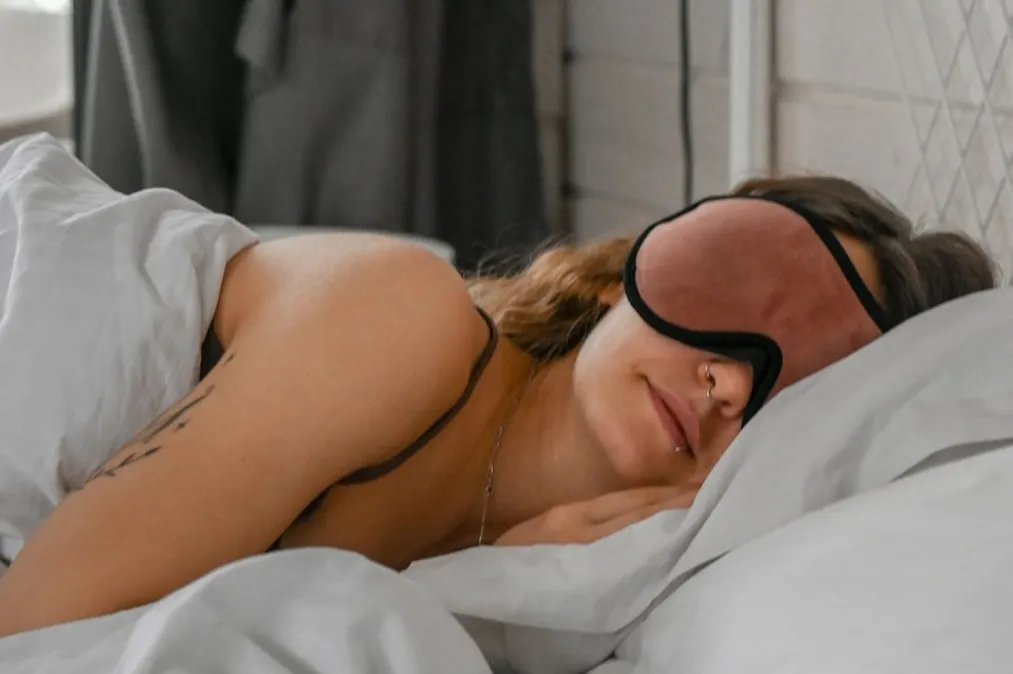
The Impact of Light on Sleep
Nighttime light exposure is increasingly linked to serious health issues beyond just poor sleep. We're talking heart health, metabolic problems like obesity and diabetes, cognitive decline (think faster brain aging), mental health challenges, and even higher cancer risks. Yikes, indeed!
We all have a circadian rhythm, that natural 24-hour internal clock governing when we're awake or asleep, our hormone releases, and the body's daily repair and cleansing processes. When this rhythm gets thrown off repeatedly—known as dysregulation—it can disrupt everything from basic organ function to hormonal balance, inflammation levels, and immune responses.
We already know that blue light from screens (phones, tablets, computers, TVs) in the evening suppresses melatonin, the hormone that helps us fall asleep, messing with our sleep patterns. But the bigger picture is simpler and more alarming: any light in the evening or during the night can interfere with our circadian rhythm.
Disrupted rhythms and poorer sleep don't just leave you grumpy or foggy the next day. Over time, they contribute to weight gain, type 2 diabetes, heart disease, accelerated brain aging, mental health struggles, and even shorter lifespans.
So, where's all this sneaky nighttime light coming from?
Often, it's self-inflicted: keeping your phone bedside and checking it if you wake up, reading on a tablet or e-reader before bed, or flipping on bright overhead lights when you get up at night for the bathroom or a glass of water.
Recent studies, including a large one highlighted in Medscape (from sources like JAMA Network Open and others), paint a concerning picture:
Cardiovascular health: People with the brightest nighttime light exposure faced up to 50% higher risks of serious issues like coronary heart disease, heart attacks, heart failure, atrial fibrillation, and stroke—even after accounting for factors like age, activity, smoking, and sleep duration.
Metabolic health: Nighttime light exposure has been tied to about a 19% higher risk of obesity, up to 86% higher risk of hypertension, and around 21% higher risk of diabetes (with some studies showing even stronger links for type 2 diabetes).
Mental and brain health: Greater exposure correlates with increased risks of conditions like generalized anxiety disorder, PTSD, bipolar disorder, depression, psychosis, and even hyperactivity or cognitive deficits.
Cancer: Links appear with higher risks of prostate cancer in men, breast cancer in women, and colorectal cancer, often tied to chronic circadian disruption (similar to what night-shift workers experience).
The good news? You don't have to ditch modern life and go back to landlines and rabbit-ear TVs from the 1980s.
Small, practical changes can make a real difference:
Get outside in natural daylight for at least 30 minutes each day—ideally early in the day—to help anchor your circadian rhythm.
Dim lights and cut screen time at least an hour before bed (longer is even better) to let melatonin rise naturally.
If you need light at night (say, for safe trips to the bathroom), use a soft, low nightlight aimed at the floor rather than bright overheads or turning on room lights.
You might not notice the toll nighttime light is taking right now—it's sneaky like that. But why risk finding out the hard way? A few tweaks to your evening routine can lower those risks and help you feel better overall. Your body (and your future self) will thank you.
(For more details, check the Medscape article: https://www.medscape.com/viewarticle/how-nighttime-light-quietly-became-serious-health-threat-2026a10005w7)




© 2024 and beyond, Iridology Education. All rights reserved.
Reach us by email: [email protected]
Reach us by phone: 1-403-850-5503