Assessment System & Advanced Courses for Health Professionals

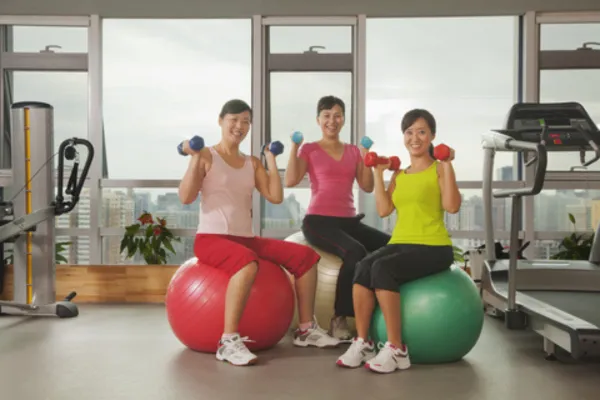
Are being healthy and being fit the same thing?
A lot of folks think health and fitness are different. Health is often described as being free from disease and having good physical, mental, and social well-being. Fitness usually refers to your physical abilities—like strength, endurance, and flexibility.
You might be super fit but not totally healthy (think of athletes pushing too hard and getting injured), or you could be healthy without being very fit. But when we talk about true, holistic wellness, these two go hand in hand. You really can't have one without the other in the long run.
That's why building and protecting your muscle mass is so important for overall health—no matter your age. Good muscle tone comes from resistance training (think weights, resistance bands, or bodyweight exercises like squats and push-ups). The key is to start at your own level and get guidance from a qualified personal trainer or physical therapist to do it safely and effectively.
So, why does muscle mass matter so much? When we lose muscle (a condition called sarcopenia that speeds up as we age), a bunch of not-so-great things happen:
Recovery from illness takes longer.
Wounds heal more slowly.
Your resting metabolic rate drops, so you burn fewer calories even when you're just sitting around—which can lead to gaining fat more easily.
It increases the risk of physical disability, lowers quality of life, and even drives up healthcare costs.
Those last few really tug at my heart—slower recovery and poorer quality of life are tough to watch in people we care about (including ourselves!).
The good news? Plenty of research shows that resistance training (especially strength-focused programs) brings big wins for overall health. It can help reduce body fat, lower cholesterol (especially the "bad" LDL kind), improve insulin sensitivity (which helps prevent or manage type 2 diabetes), and even support better outcomes for non-alcoholic fatty liver disease.
To get the most out of your efforts, some smart supplements can give you an extra boost—after all, if you're putting in the time to train, why not maximize the results?
One of my personal favorites is collagen peptides. Collagen makes up about 30% of your body's protein—it's like the "glue" that holds everything together. It supports muscle flexibility, adaptation, and proper function, plus it benefits skin (reducing wrinkles and aging signs), nails, joints, and bones.
Studies, including a randomized controlled trial with older men who had sarcopenia, found that taking collagen peptides after resistance training helped them build lean muscle mass faster than those who didn't supplement.
As a bonus, collagen also promotes bone health, which pairs beautifully with resistance training's bone-strengthening effects.
Another helpful one is creatine, an amino acid stored in our muscles that supports contractions. Levels naturally decline with age, along with muscle strength. Research, including meta-analyses, shows that creatine supplementation combined with resistance training (especially high-intensity) increases lean body mass and strength in older adults.
Don't forget the basics: getting enough protein overall is crucial. Many people—especially women over 50—aren't getting enough. Protein provides the building blocks your body needs to repair and rebuild muscle. As we age, digesting protein can become trickier, so supporting digestion helps. A hydrochloric acid and pepsin supplement can make a real difference in breaking down and absorbing protein properly.
To wrap this up: Are being fit and being healthy the same? Not exactly—but the idea that you can be truly healthy without being fit (or vice versa) is more of an illusion than reality. For lasting wellness, we need both. Prioritizing muscle mass through regular resistance training (beyond just walking), good protein intake, and thoughtful support like collagen, creatine, and digestive aids can make a huge difference in how strong, energetic, and vibrant you feel as the years go by.



© 2024 and beyond, Iridology Education. All rights reserved.
Reach us by email: [email protected]
Reach us by phone: 1-403-850-5503